What are Academic Integrity AI tools?▾
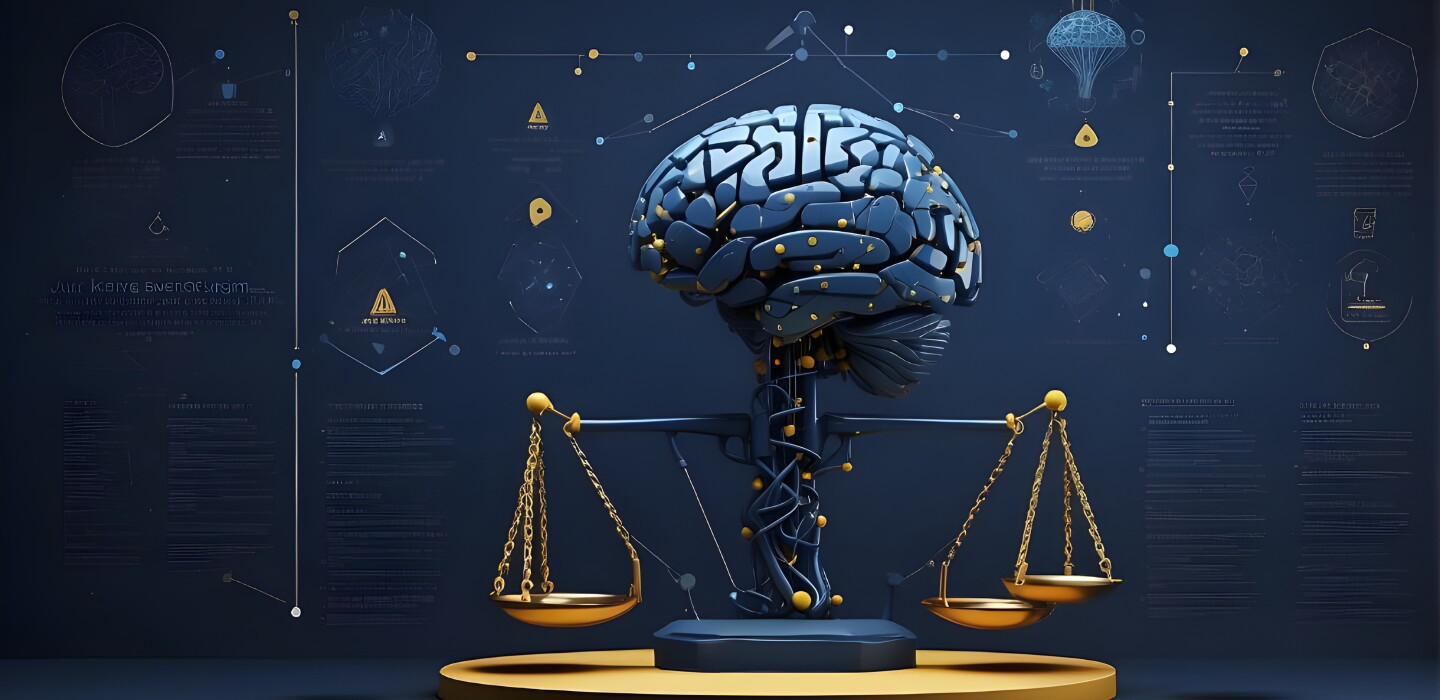
These AI tools help maintain academic honesty by identifying potential instances of plagiarism, AI-generated content, or other forms of academic misconduct. They analyze text submissions against vast databases and AI models to flag similarities or anomalies, assisting educators and institutions in upholding integrity standards.
How do Academic Integrity AI tools detect AI-generated content?▾
AI detection tools analyze various linguistic patterns, writing styles, sentence structures, and lexical choices often characteristic of large language models. They compare the submitted text against models trained on human-written and AI-generated content, flagging submissions that exhibit high probabilities of being AI-generated rather than original human work.
Who benefits from using Academic Integrity AI tools?▾
Educators benefit by efficiently verifying originality and fostering fair assessment environments. Institutions use them to uphold academic standards and develop integrity policies. Students can use them to ensure proper citation and avoid unintentional plagiarism, ultimately promoting a culture of honest scholarship for all users.
Are Academic Integrity AI tools 100% accurate?▾
No, these tools are not infallible. While highly sophisticated, they can sometimes produce false positives or negatives due to nuances in human writing, specific disciplinary language, or evolving AI capabilities. They should always be used as supplementary aids to human judgment and critical evaluation, not as definitive proof.
Can students use Academic Integrity AI tools to check their own work?▾
Yes, many tools offer student-facing versions for self-assessment. Students can use them to check for unintentional plagiarism, ensure proper citation, and identify areas where their writing might appear AI-generated before submission. This proactive approach helps them learn best practices and refine their original academic voice.
What ethical considerations should be kept in mind when using these tools?▾
Ethical considerations include data privacy, potential biases in AI detection, and the impact on student trust and learning. Over-reliance or misuse can lead to unfair accusations. Institutions must communicate policies clearly, ensure transparency, and prioritize education over punitive measures, fostering a culture of integrity and learning.