Using Machine Learning to Understand College Closures
Key Takeaways
- •This machine learning model for predicting college closures signifies a crucial shift towards proactive risk management and data-driven strategic planning within the higher education sector.
- •It empowers stakeholders, from policymakers to prospective students, with insights for timely intervention and informed decision-making, moving beyond reactive responses to institutional failures.
- •This development highlights AI's growing role in enhancing the stability and resilience of the entire educational ecosystem.
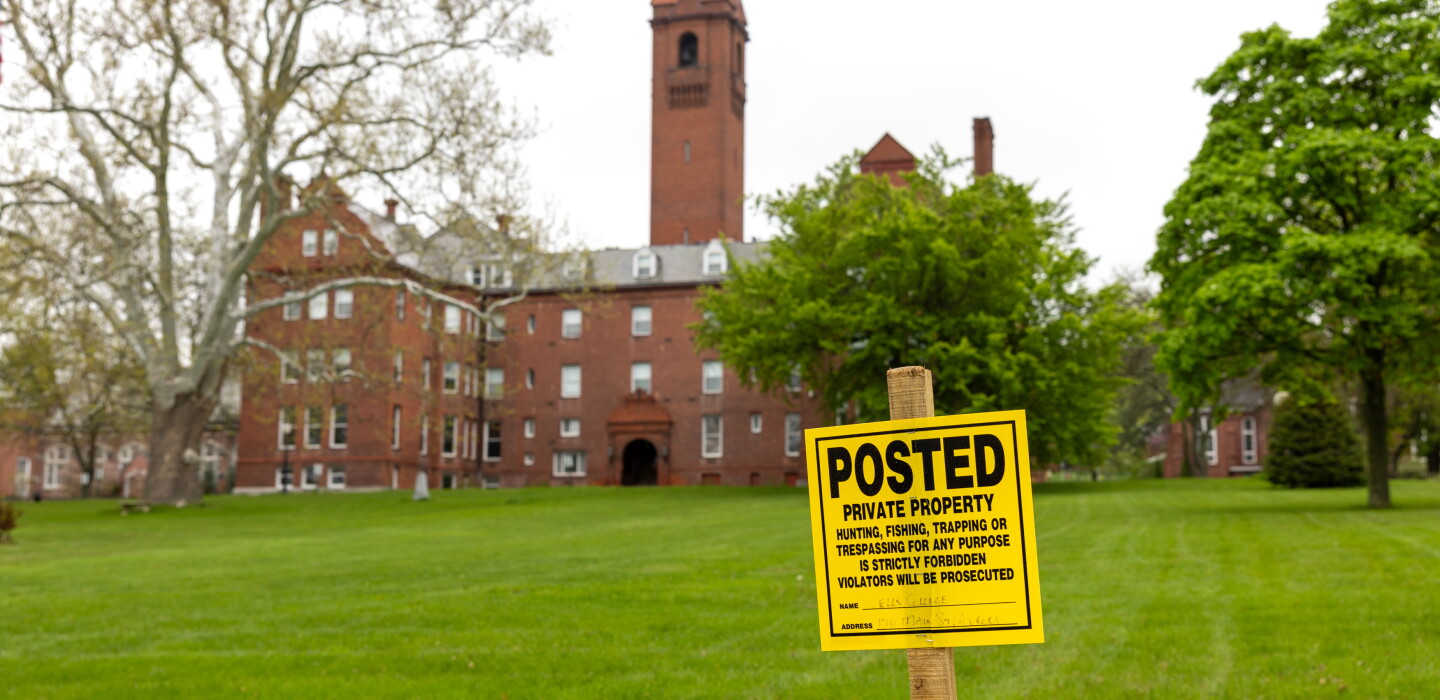
Higher Education Using Machine Learning to Understand College Closures Researchers worked with the Federal Reserve to create a predictive model that assesses hundreds of institutional characteristics to estimate the likelihood that a college might close. January 08, 2026 • Abby Sourwine Facebook LinkedIn Twitter Print Email Wells College in Aurora, N.Y., closed abruptly in 2024, after 156 years in operation.
Our Take
This machine learning model for predicting college closures signifies a crucial shift towards proactive risk management and data-driven strategic planning within the higher education sector. It empowers stakeholders, from policymakers to prospective students, with insights for timely intervention and informed decision-making, moving beyond reactive responses to institutional failures. This development highlights AI's growing role in enhancing the stability and resilience of the entire educational ecosystem.
Analysis & Perspectives
Strategic Planning for AI Professional Development: Equipping Educators to Integrate AI as a Pedagogical Partner, Not Just a Tool
This article outlines a strategic framework for professional development, empowering educators to effectively integrate AI into their teaching practices. It moves beyond viewing AI as a mere tool, instead focusing on equipping educators to leverage AI as a sophisticated pedagogical partner. The aim is to enhance learning experiences and foster innovative instructional design.
Redefining Assessment and Feedback Strategies in the Age of Generative AI: From Plagiarism Detection to Promoting Critical AI Literacy
This article explores how the advent of generative AI necessitates a fundamental re-evaluation of assessment and feedback strategies in education. It advocates for a shift from solely focusing on plagiarism detection towards cultivating critical AI literacy among students. The piece outlines innovative approaches to integrate AI responsibly, ensuring academic integrity while equipping learners with essential skills for an AI-driven world.
Related Articles
Microsoft researchers have revealed the 40 jobs most exposed to AI—and even teachers make the list
Microsoft researchers have revealed the 40 jobs most exposed to AI—and even teachers make the list Fortune
Gallup: More than half of U.S. college students use AI weekly for coursework
Gallup: More than half of U.S. college students use AI weekly for coursework WSMH
80% of Teachers Are Using AI Tools in the Classroom
80% of Teachers Are Using AI Tools in the Classroom THE Journal: Technological Horizons in Education