How AI Video Analytics Transforms Campus Safety, Efficiency and Compliance in Schools and Universities
Key Takeaways
- •The integration of AI video analytics marks a critical evolution in campus safety, transforming environments from reactive to proactively secure, directly fostering better learning outcomes.
- •This trend underscores AI's expanding role beyond the classroom into foundational operational infrastructure, fundamentally redefining school management through data-driven physical security.
- •Implementing these systems necessitates a crucial focus on robust ethical frameworks and transparent data governance to ensure privacy and equitable application.
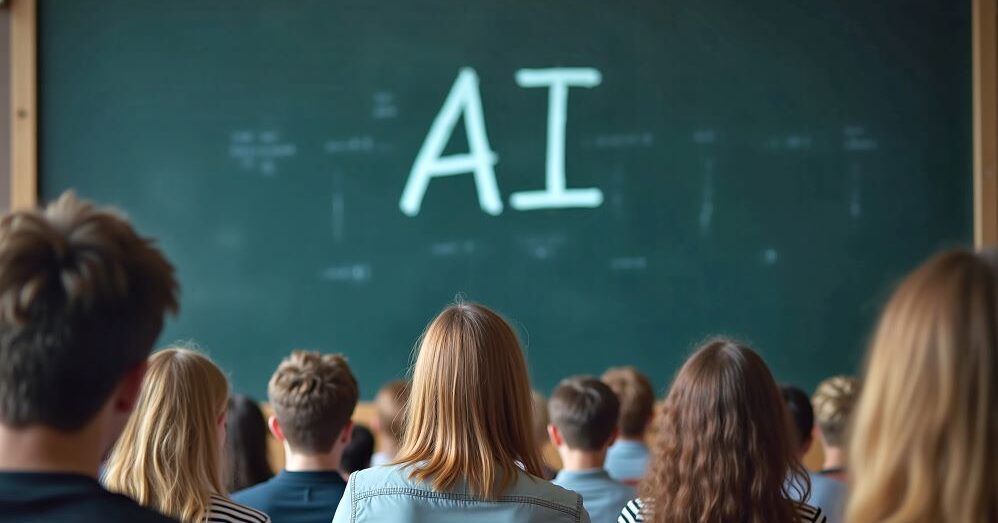
Insights How AI Video Analytics Transforms Campus Safety, Efficiency and Compliance in Schools and Universities AI-powered video analytics systems can proactively detect threats, enhance compliance, and optimize resources, creating secure environments that foster learning. Published: October 13, 2025 Author: Barry Norton [display_slideshow_copyright_text] Adobe stock image by Sweeann A scuffle breaks out in a school corridor, and AI-powered video analytics immediately detect the unusual movement patterns and alert administrators before the situation escalates.
Our Take
The integration of AI video analytics marks a critical evolution in campus safety, transforming environments from reactive to proactively secure, directly fostering better learning outcomes. This trend underscores AI's expanding role beyond the classroom into foundational operational infrastructure, fundamentally redefining school management through data-driven physical security. Implementing these systems necessitates a crucial focus on robust ethical frameworks and transparent data governance to ensure privacy and equitable application.
Analysis & Perspectives
Strategic Planning for AI Professional Development: Equipping Educators to Integrate AI as a Pedagogical Partner, Not Just a Tool
This article outlines a strategic framework for professional development, empowering educators to effectively integrate AI into their teaching practices. It moves beyond viewing AI as a mere tool, instead focusing on equipping educators to leverage AI as a sophisticated pedagogical partner. The aim is to enhance learning experiences and foster innovative instructional design.
Redefining Assessment and Feedback Strategies in the Age of Generative AI: From Plagiarism Detection to Promoting Critical AI Literacy
This article explores how the advent of generative AI necessitates a fundamental re-evaluation of assessment and feedback strategies in education. It advocates for a shift from solely focusing on plagiarism detection towards cultivating critical AI literacy among students. The piece outlines innovative approaches to integrate AI responsibly, ensuring academic integrity while equipping learners with essential skills for an AI-driven world.
Related Articles
Jisc and EAUC Launch new guide to help Universities and Colleges act on the Environmental Impact of AI
New practical guidance aims to bridge the gap between the accelerated development of AI tools and sustainability ambitions across UK post-16 education and research Launching… Jisc and EAUC Launch new guide to help Universities and Colleges act on the Environmental Impact of AI was published on FE News by Jisc
An Ambitious Course on the Future of AI Ends with a Flourish
An Ambitious Course on the Future of AI Ends with a Flourish Stanford Graduate School of Business
Generative AI Pervades Higher Education: Here’s How Three Institutions Responded
Generative AI Pervades Higher Education: Here’s How Three Institutions Responded The Swarthmore Phoenix