AI Belongs in Every Classroom: Why We Need Cross-Disciplinary AI Literacy
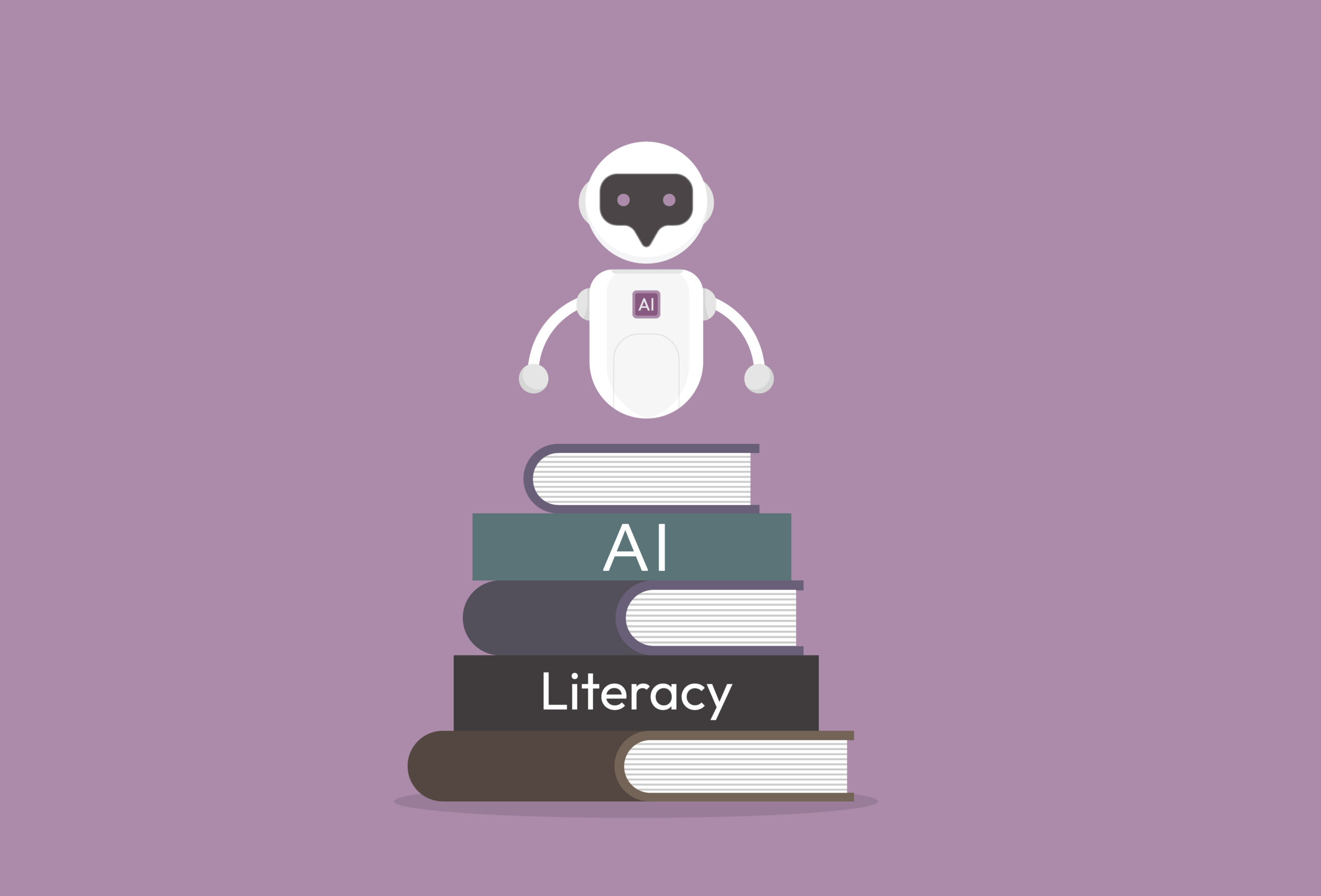
Skip to content Effective Teaching Strategies , Teaching and Learning AI Belongs in Every Classroom: Why We Need Cross-Disciplinary AI Literacy February 11, 2026 Karamatu Abdul Malik In August 2025, headlines from BBC News , The Guardian , and CNN carried a tragic story: the family of 16-year-old Adam Raine is suing OpenAI, alleging that months of conversations with ChatGPT contributed to his decision to take his own life (BBC News 2025; Booth 2025; Iyengar 2025).
Topics & Tags
Analysis & Perspectives
Strategic Planning for AI Professional Development: Equipping Educators to Integrate AI as a Pedagogical Partner, Not Just a Tool
This article outlines a strategic framework for professional development, empowering educators to effectively integrate AI into their teaching practices. It moves beyond viewing AI as a mere tool, instead focusing on equipping educators to leverage AI as a sophisticated pedagogical partner. The aim is to enhance learning experiences and foster innovative instructional design.
Redefining Assessment and Feedback Strategies in the Age of Generative AI: From Plagiarism Detection to Promoting Critical AI Literacy
This article explores how the advent of generative AI necessitates a fundamental re-evaluation of assessment and feedback strategies in education. It advocates for a shift from solely focusing on plagiarism detection towards cultivating critical AI literacy among students. The piece outlines innovative approaches to integrate AI responsibly, ensuring academic integrity while equipping learners with essential skills for an AI-driven world.
People Also Ask
What is AI literacy?▾
Why is AI literacy important in schools?▾
How do you teach AI literacy to K-12 students?▾
What age should children start learning about AI?▾
Related Articles
The best time to be a teacher: Leading with AI and technology in the age of personalized learning
In an era defined by rapid technological advancement and an unprecedented explosion of information, public education stands at a pivotal and exciting crossroads.
Purdue to offer AI and STEM professional development for Indiana educators with LEGO® Education Computer Science & AI kits
Purdue to offer AI and STEM professional development for Indiana educators with LEGO® Education Computer Science & AI kits Purdue University
Midwest AI/Machine Learning Generative AI Bootcamp for College Faculty
Midwest AI/Machine Learning Generative AI Bootcamp for College Faculty colleges.ccc.edu